
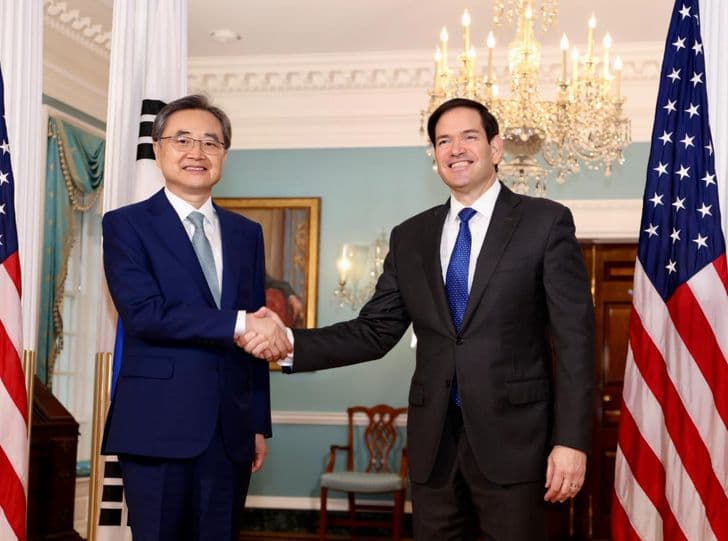
Foreign Minister Cho Hyun and US Secretary of State Marco Rubio spoke by phone on Monday and committed to keeping close communication on North Korea's nuclear program and the broader question of peace on the Korean peninsula, a call that comes as diplomatic activity around Pyongyang accelerates on multiple fronts at once.
The two diplomats also pledged to maintain a solid combined defense posture between the allies, language meant to reassure both governments that closer engagement with North Korea will not come at the expense of the alliance's military footing. Cho and Rubio agreed to meet in person in the near future, their first sit-down since a Washington meeting at the State Department on July 31 last year.
Seoul's Role as Facilitator
Seoul committed to working to help restart dialogue between Washington and Pyongyang, positioning South Korea as a facilitator rather than a bystander in a process that will ultimately run through direct contact between Trump and Kim Jong-un. Trump has said he expects to meet Kim later this month, with a longer-range possibility floated around the Asia-Pacific Economic Cooperation summit in Shenzhen, China, in November.