
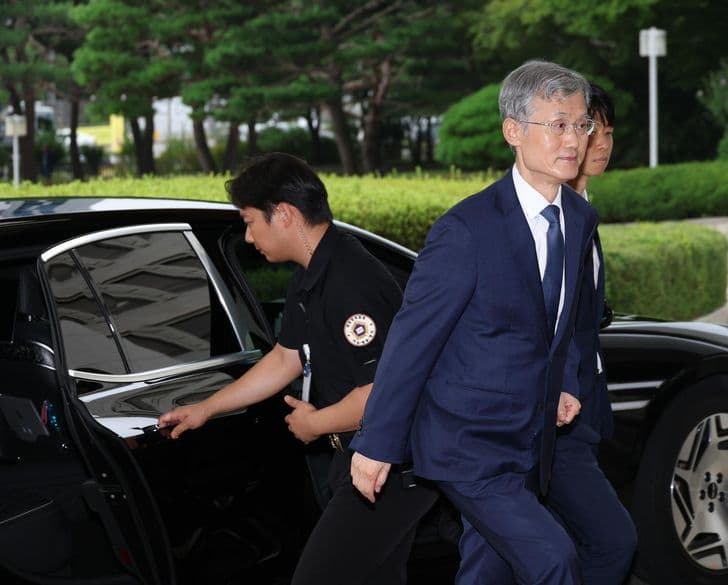
President Lee Jae-myung has rejected Supreme Court Chief Justice Cho Hee-dae's recommendation to fill a vacant seat on the country's top court, an unusual public break from the customary coordination between the presidential office and the judiciary over who sits on the bench.
The vacancy dates back to March, when Justice Noh Tae-ak retired, leaving the 14-member court short a seat. Chief Justice Cho submitted his written recommendation on August 18, naming Son Bong-gi, a senior judge at the Daegu District Court, but Cheong Wa Dae announced its rejection on Thursday, declining to send the appointment consent motion on to the National Assembly and asking the Chief Justice to put forward an alternative candidate instead.
The Reason Given
Presidential spokesperson Kang Yu-jung said the recommendation failed to fully meet procedural requirements, a technical framing for a decision that nonetheless represents a significant assertion of presidential authority over judicial appointments. The vacancy has now stretched past five months, longer than these gaps typically last, and it will remain open at least until a new recommendation clears both the president and, eventually, the legislature.