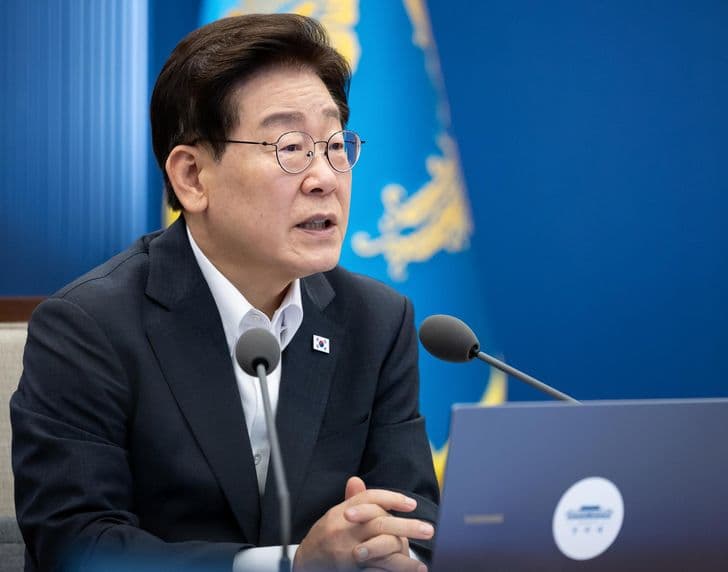
Lee Pushes Selective Enlistment to Build a Smaller, Tech-Heavy Military
President Lee Jae-myung called for reshaping conscription into a two-track system, a short draft or a longer, better-paid stint as a technology-focused officer, arguing that a shrinking generation of young men can no longer sustain a military built on sheer manpower.
President Lee Jae-myung is pushing to overhaul how South Korea fills its military, proposing a system of selective enlistment that would give young men a choice between a short conscript term and a longer, better-paid career built around technology. The aim, he said, is a smaller and smarter force for a country running short of soldiers.
The plan responds to a demographic squeeze the armed forces cannot ignore. With the birthrate low and the pool of military-age men shrinking year after year, the government argues that a military built on numbers is becoming impossible to maintain, and that the answer is to lean on advanced technology instead.
Two paths into the ranks
At the heart of the proposal are two tracks. A recruit could serve as an active-duty conscript for 18 to 21 months, close to today's terms, or sign on for four to five years as a technology-focused noncommissioned officer, a longer commitment that would come with higher pay and added incentives.
The design is meant to sort volunteers by inclination. Those who want to move quickly through their service keep a short obligation, while those drawn to technical roles can turn the military into a paid, skilled career, easing the manpower gap without simply demanding more from a generation that is already thinning.
The case for change
Lee made the argument bluntly. Maintaining the current inefficient military structure centered on manpower and infantry, he said, is neither feasible nor desirable, a direct challenge to a conscription model that has defined Korean service for generations.
He tied the reform to how young people experience the draft. A truly strong military, Lee said, can be built when young people find military service rewarding, and he reduced the whole question to a single line, that national defense depends on people. The message was that a force cannot be strong if the citizens who fill it feel used.
Making service worth the time
The plan leans heavily on incentives rather than obligation. Lee wants military experience to count toward civilian employment, junior officers to be treated better, and service to bring educational opportunities and support for building wealth, so that time in uniform is no longer seen as wasted or as a setback.
That framing speaks to a long-running grievance. For many Korean men, conscription has felt like a pause imposed on careers and studies at a crucial age, and Lee is betting that turning service into something valuable, rather than merely mandatory, is the way to keep a shrinking cohort willing.
A pledge meets reality
The proposal was a campaign promise, and campaigns are where such ideas are cheapest. Reworking conscription touches budgets, fairness and the sensitive question of who serves and how, and any move toward longer paid tracks raises concerns about equity between those who can and cannot commit years to the military.
For now, Lee has set a direction rather than a statute. A shrinking population has made the status quo untenable, and he has answered with a vision of a leaner, more technical force. The hard part, as ever, is turning a slogan about a smart and strong military into a system that young Koreans actually choose.