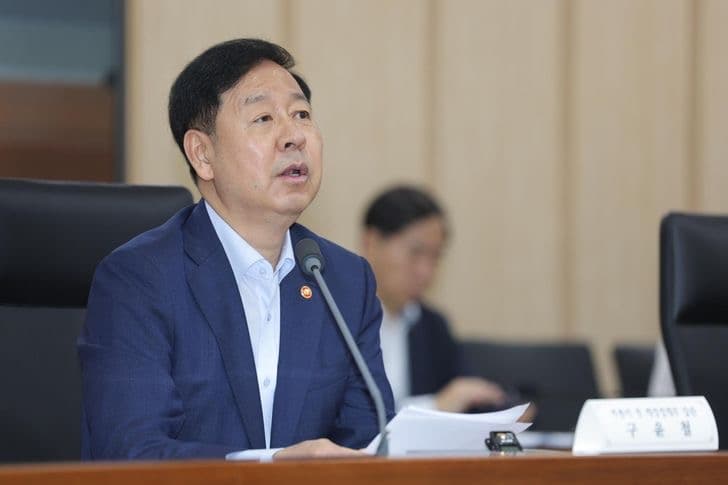
Finance Minister Koo Yun-cheol said Korea will make active use of the economic cooperation it has built through summit diplomacy to handle a trade environment that has grown harder to predict.
He was speaking after a meeting of ministries responsible for external economic affairs, held Monday at the Sejong Government Complex.
The pressures
Two sit at the front. The US Trade Representative's office has proposed a 12.5 percent tariff on Korean products, tied to concerns about forced labor enforcement. Separately, geopolitical tension in the Middle East continues to complicate shipping and energy costs for an economy that imports nearly all of its fuel.
The response
The approach the minister described is less a new initiative than an instruction to convert existing paperwork into activity. Memoranda of understanding signed during summits are to be implemented promptly rather than left as statements of intent, and negotiations with Washington on stabilising the trade relationship will continue.
Beyond that, the government intends to pursue a comprehensive economic partnership agreement with Bangladesh, expand official development assistance focused on AI to developing countries, and support Korean companies moving into infrastructure, manufacturing, energy and AI abroad.
The common thread is diversification. A tariff aimed at one market matters less if the export base is spread across more of them, though building that spread takes considerably longer than a tariff takes to impose.