China Warns Gwangju Biennale's Taiwan Pavilion Name Could Spark Another THAAD-Style Standoff
A Chinese official has called the naming of a Taiwanese exhibition space at the Gwangju Biennale a red line, warning the dispute could escalate into economic retaliation reminiscent of the THAAD standoff that hit Korean businesses nearly a decade ago.
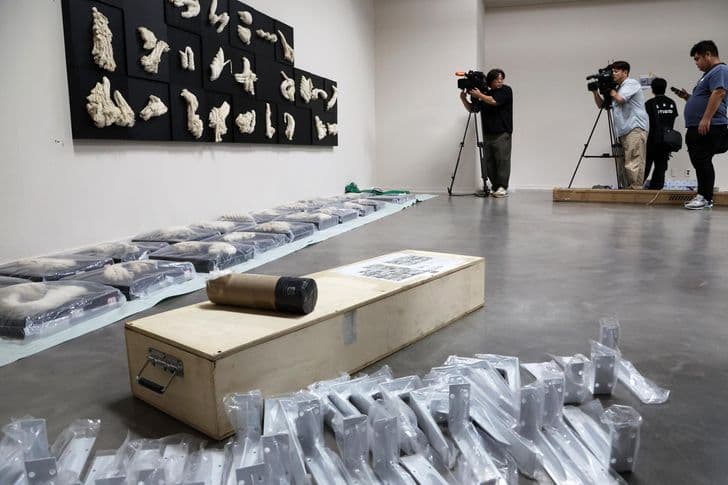
A Chinese official has warned that a naming dispute at this year's Gwangju Biennale could grow into a diplomatic rupture on the scale of the THAAD standoff, after Chinese artists and curators withdrew from the event over its decision to label a Taiwanese exhibition space the Taiwan Pavilion.
The withdrawal came after organizers named the space, prompting the Chinese embassy to issue a press release criticizing the decision, and the Gwangju city government has reportedly apologized in response. The episode has quickly escalated from a curatorial choice into a test of how Seoul handles Beijing's sensitivities over Taiwan.
Beijing's Red Line
The Chinese official argued that naming the space Taiwan Pavilion directly damages the political base of China-Korea relations, framing the issue as touching a red line that cannot be crossed. The official also invoked Korea's pledge, made when the two countries established diplomatic relations in 1992, to respect the One China principle, arguing that the pavilion's name amounts to a breach of that commitment. Most pointedly, the official warned the dispute could become another THAAD row, a reference calculated to remind Seoul of the economic costs that followed a very different dispute a decade ago.
Seoul's Careful Distance
The Korean government has tried to draw a line between its own position and the biennale organizers' decision. Foreign Ministry spokesperson Park Doo-soon said the government's stance on Taiwan has not changed, while stressing that the naming decision was made by private actors within the cultural and arts sector rather than the state. The Culture Ministry offered a similar defense, noting that the foundation running the biennale operates independently and that the ministry's role is limited to funding support. The presidential office declined to comment directly, leaving the response to lower-level officials for now.
The Shadow of THAAD
The THAAD reference is not incidental. When Korea decided to deploy the American missile defense system in 2016, installing it in 2017, China responded with measures that Korean businesses still remember: travel agencies suspended group tours to Korea, Korean performers found themselves blocked from the visas needed to work in China, Korean cultural exports were shut out of the Chinese market, Korean cosmetics faced tougher customs scrutiny, and Lotte Group's supermarket business in China was suspended and ultimately wound down entirely.
That history is precisely why the warning carries weight in Seoul, even over what began as a dispute about the label on an exhibition space. China only granted Korean tourists visa-free entry in 2024, a sign that the relationship had been on a slow mend since the THAAD-era freeze, and the pavilion dispute now tests whether that recovery is durable enough to survive a symbolic fight over Taiwan or whether Beijing is prepared to treat a museum wall label with the same seriousness it once reserved for a missile defense system.