Facing a Youth Revolt, Lee Orders a Rushed Review of ISA and Marriage Policies
After young Koreans erupted over changes that would strip savings-account tax breaks and penalize newlyweds, President Lee Jae-myung directed his aides to rework the measures, as his disapproval among voters in their twenties and thirties climbed past 60 percent.
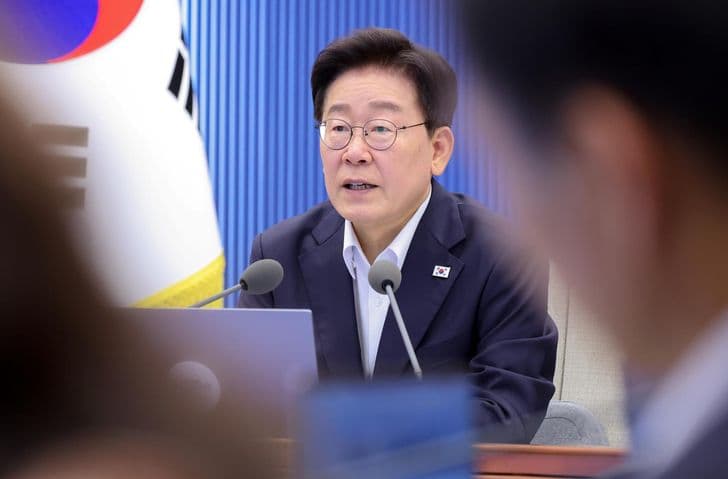
President Lee Jae-myung has ordered a hurried review of several government policies after a wave of anger from young Koreans, who say measures meant to help them have done the opposite. The move is an attempt to stem a slide in support among voters in their twenties and thirties.
Two policies sit at the center of the backlash. One is a planned overhaul of Individual Savings Accounts that would strip away tax benefits younger savers had counted on. The other is a cluster of 22 marriage-related rules that critics have dubbed a marriage penalty, for the way they disadvantage newlyweds and new parents.
Where the anger comes from
The complaints are concrete. The savings account changes would remove existing benefits for people in their twenties and thirties, the very savers the accounts were meant to encourage. The marriage rules, meanwhile, leave newlyweds worse off on housing loans, apartment subscriptions and taxation, penalizing the decision to marry at the moment the government says it wants more of it.
The numbers show the cost. In a Media Tomato survey conducted August 3 and 4, disapproval of Lee reached 59 percent among people in their twenties and 61 percent among those in their thirties, against 48.5 percent overall. A Realmeter poll taken July 27 to 31 put disapproval among the two age groups at 65.7 percent, with 50 percent overall.
The president responds
Lee moved to show he was listening. He directed his aides to reorganize policies with young people's circumstances in mind, citing their education, employment, income, asset building, housing and marital status, a list meant to signal that the review would be broad rather than cosmetic.
He was blunt about the failure. The government, Lee said, failed to properly understand the sensitivities of the policy's beneficiaries, an unusually direct admission that the measures had missed the people they were designed to serve.
A focus on marriage
The president reserved his sharpest language for the marriage question. Young people, he said, should never hesitate to marry because of disadvantages created by policy, and he insisted that marriage should be a hopeful new beginning, not a burden. In a country wrestling with the world's lowest birthrates, the words carried weight beyond a single grievance.
The response is meant to be substantive. Officials identified 22 proposed improvements, among them relaxed housing loan requirements and easier apartment subscription rules for newlyweds, aimed at removing the penalties that provoked the anger.
The wider bind
The episode fits a pattern that has dogged Lee's presidency. Deals struck abroad and grand plans at home have not eased the anxieties of younger Koreans over jobs, housing and the cost of building a life, and each misstep on the policies closest to them lands harder than a headline about foreign investment.
Whether a rushed review repairs the damage is uncertain. Reworking tax breaks and housing rules takes time, and trust, once lost among a generation already inclined to pessimism, is slow to rebuild. For now, Lee has signaled that he heard the complaint. The harder task is proving the fixes are real.