
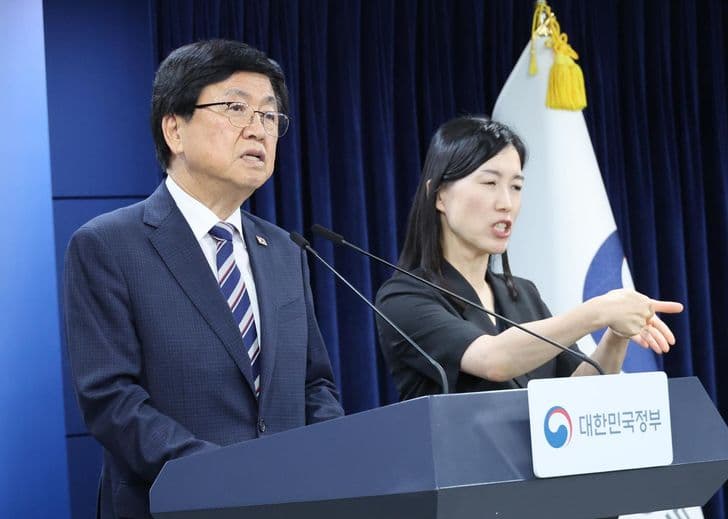
Education Minister Choi Kyo-jin unveiled the first concrete step in the government's plan to build what officials call ten Seoul National University-caliber institutions, naming Pusan National University, Chonnam National University, and Chungnam National University as the initial recipients of concentrated funding, at an announcement in Seoul on Tuesday.
The three chosen schools will each receive 70 billion won, about 51 million dollars, earmarked for AI and regional strategic industry education, a sum that puts them roughly 100 billion won ahead of where their funding stood a year earlier. Six other regional flagship universities were named as a second tier, each set to receive around 40 billion won for undergraduate reform and shared programs, a noticeably smaller allocation that has become a focal point of the backlash.
A Narrower Goal Than Advertised
Critics argue the selective funding undercuts the initiative's own premise. Kangwon National University warned that the plan risks turning the broader goal into support for only three departments at three universities, reducing a national ambition to a handful of favored programs. The Korean National University Professors Union went further, cautioning that the selection could entrench a new hierarchy across the system, effectively recreating among regional flagships the same kind of pecking order the ten-university plan was supposed to dissolve.