
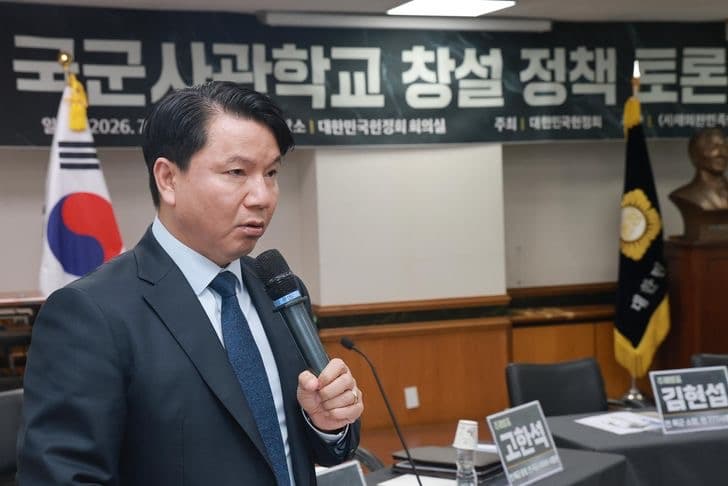
South Korea should combine its three separate service academies into a single integrated military academy, Kim Hong-cheol, the deputy defense minister for policy, said on Wednesday, framing the change as preparation for the moment the country takes back wartime command of its own forces.
He set out the proposal at a policy briefing at the National Assembly.
What is proposed
The plan would merge the Army, Navy and Air Force academies, which currently train officers separately, into one institution at the Jaundae compound in Daejeon, about 140 kilometers south of Seoul. Cadets would follow a four-year program with branch-specific training reserved for the final years, so that officers share a common foundation before specialising. The government expects the academy to be complete around 2036.
Now is the critical time to build an education system that prepares future cadets for future warfare, Kim said.
Why now
The timing is tied to the transfer of wartime operational control, or OPCON, from the United States to South Korea. Under the current arrangement, a US commander would lead combined forces in a war on the peninsula. Seoul wants to complete the handover by 2030, while Washington has stressed that conditions must be met before it happens. The two sides are expected to discuss it at the Security Consultative Meeting in Washington in October.