
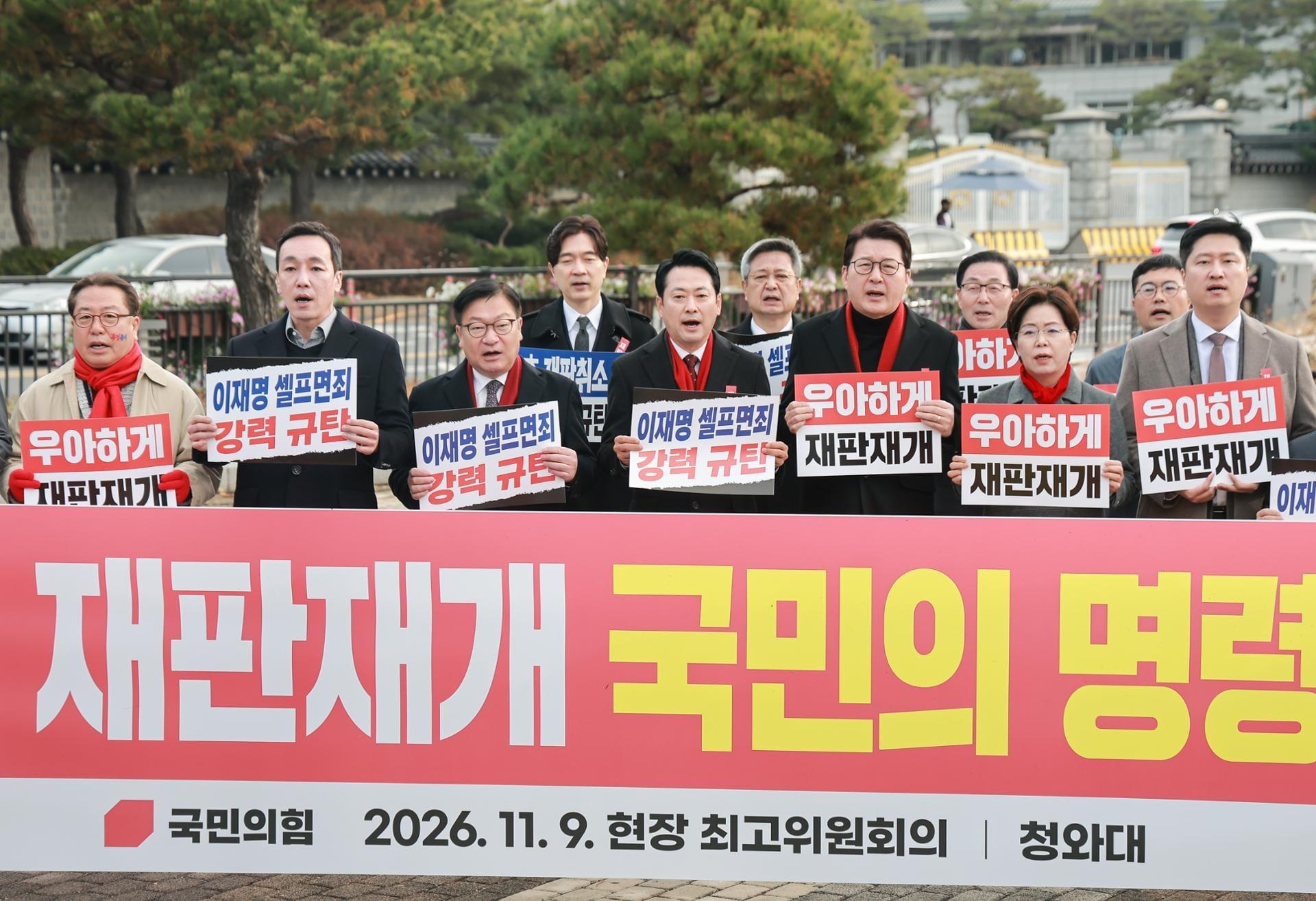
South Korea's National Assembly has passed a bill to appoint a special counsel to investigate allegations that prosecutors, intelligence officials, and state auditors abused their power to target political opponents under former President Yoon Suk Yeol. The legislation is now awaiting final Cabinet approval, but it has already intensified one of the most contentious disputes in the country's politics: whether it is designed to help President Lee Jae Myung escape criminal charges.
The Democratic Party of Korea, which controls the legislature, argues that an independent investigation is needed to expose fabricated evidence, false testimony, and unlawful practices used to indict liberal politicians. The main opposition People Power Party contends the bill is a thinly veiled effort to undermine the cases against the president and has responded with calls for his impeachment.
The justice minister nomination fueling suspicions
The debate sharpened after Justice Minister nominee Lee Yong-cheol said he would handle calls to drop charges against the president in accordance with the law and principles. The remark contrasted with his predecessor, Jung Sung-ho, who had said the decision belonged to prosecutors, not the minister.
Lee Yong-cheol is a longtime associate of President Lee. He worked at the same law firm as the president, joined his transition team after Lee was elected mayor of Seongnam in 2010, and later led the Seongnam Industry Promotion Foundation. The opposition has described him as a hidden architect of the Daejang-dong development project and accused the president of selecting him to turn the Ministry of Justice into a personal defense team.
What the special counsel would examine
The special counsel would review the prosecution's handling of 12 cases, six of which involve allegations against President Lee from his time as mayor of Seongnam and governor of Gyeonggi Province. Those cases include the Daejang-dong property development scandal, allegations that underwear manufacturer Ssangbangwool made illicit payments to North Korea on his behalf, and accusations that he misused a provincial government credit card for personal expenses.
The remaining cases relate to alleged misconduct by officials during the 2017-2022 Moon Jae-in administration, including the manipulation of government statistics and the response to the killing of a fisheries official by North Korean troops.