
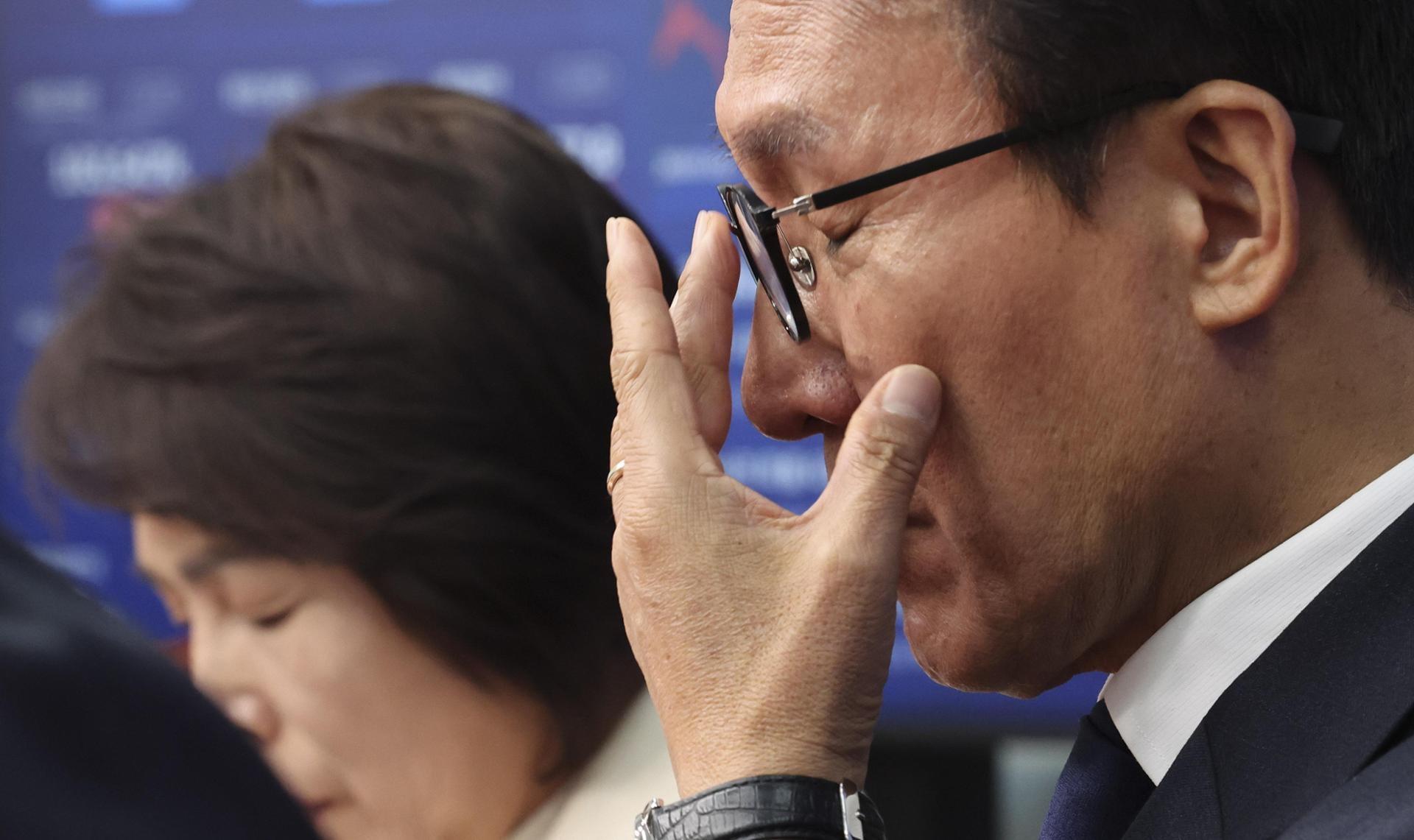
Kim Min-seok, chairman of South Korea's ruling Democratic Party of Korea and a former prime minister, is facing a serious credibility test after an internal party investigation failed to substantiate his claim of a secret alliance between a rival faction and the religious sect Shincheonji.
On Friday, Kim apologized during the party's Supreme Council meeting, his third apology in four days. He had already expressed regret at a closed-door meeting of lawmakers on Tuesday and on the party's YouTube channel on Thursday. The controversy began during the party leadership election in August, when Kim accused the anti-President Lee Jae Myung faction and Shincheonji of forming a hidden alliance, a claim directed at the camp of his rival, former party chairman Jung Chung-rae.
What the investigation found
After winning the leadership race, Kim commissioned an internal investigation into the allegation. The probe identified a considerable number of people suspected of being Shincheonji followers inside the party, but it did not establish a link between their membership and the faction supporting Jung.
That finding left Kim in the awkward position of having made a serious accusation against a leading figure in a major party faction without evidence to back it up. His repeated apologies did little to satisfy Jung's allies, who demanded a direct apology to those targeted and concrete steps toward accountability.
Limited access to the report
The party began allowing sitting lawmakers and constituency committee heads to inspect the investigation report individually at the secretary-general's office on Friday. Access will remain available through Nov. 13, but copies will not be distributed separately.
The limited disclosure has raised concerns that it could become another flashpoint. If Jung's allies conclude after reviewing the findings that there is no evidence of the alleged alliance, they could intensify demands for Kim to take responsibility. Some observers warn that the restricted access could also encourage leaks, keeping the controversy alive.
Political fallout
The episode has weakened Kim's standing as party leader, according to political analysts. Kim Sung-soo, a professor of political science at Hanyang University, described the situation as a "ticking time bomb" for Kim's leadership and a "devastating blow" to his authority.
"That, in my view, is probably why President Lee Jae Myung started a YouTube channel," Kim Sung-soo told The Korea Times. "Lee may have felt a sense of crisis, a concern that Kim's leadership was no longer secure."