
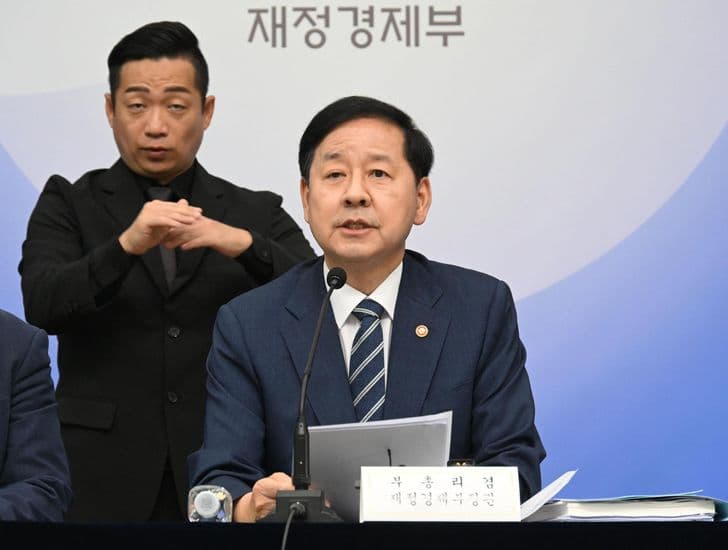
The Korean government has laid out a tax overhaul aimed squarely at expensive homes that owners do not live in, sharpening the levy on high-value and multiple properties while easing the burden for those who occupy the one home they own.
The centerpiece is a higher tax on the most valuable homes. Finance Minister Koo Yun-cheol said the government would bring taxation on homes worth more than 4 billion won closer to normal levels and curb excessive tax benefits, with properties valued between 4 and 5 billion won, roughly 2.8 million dollars, singled out for heavier treatment.
Rewarding those who live in their homes
The plan draws a sharp line between owner-occupiers and everyone else. The basic deduction for a single-home owner would rise from 1.2 billion won to 1.4 billion if the owner lives in the property, while a home its owner does not occupy would get a smaller deduction of 900 million won.
The gap widens for those holding several properties. The deduction for multiple-home owners would fall from 900 million won to 400 million, with up to 500 million more available under conditions, a structure designed to press hardest on portfolios of homes held as investments.
Raising the base the tax is figured on
A quieter change may matter as much as the headline rates. The fair market value ratio, which determines how much of a property's assessed value is actually taxed, would climb from 60 percent to 70 percent in 2027 and to 80 percent in 2028. Raising that ratio increases the tax even if the nominal rate stays put.