
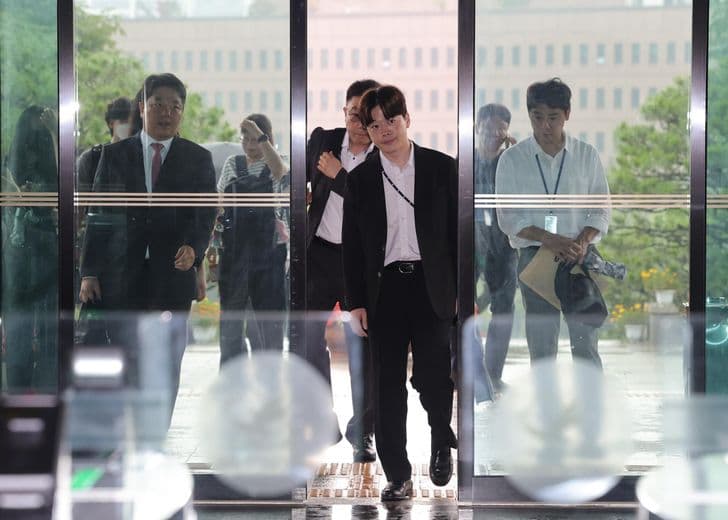
A joint team of prosecutors and police searched the National Election Commission on Thursday, escalating an investigation into whether officials tampered with voter turnout records from a local election held in June. The raids reached the commission's headquarters in Gwacheon, south of Seoul, along with a regional office in Gyeonggi Province and district offices in the Seoul neighborhoods of Songpa, Gangnam and Seocho.
The searches mark the most forceful step yet in a case that has shadowed the commission since the June 3 vote. Investigators are looking at possible falsification of official electronic records and obstruction of official duties, offenses that strike at the credibility of the body charged with running the country's elections.
What investigators suspect
At the center of the inquiry is an allegation that working-level officials altered turnout data without authorization. In one district, according to the case, figures were inflated from hundreds into thousands, after which numbers elsewhere were quietly trimmed so the overall totals still added up. The pattern, if proven, would suggest a deliberate effort to reshape the record rather than a clerical error.
The June election was already troubled before these questions arose. Several polling stations ran out of ballots, thousands of people cast votes after the 6 p.m. close, and exit polls were announced amid the confusion. Those breakdowns created the opening for suspicion that the numbers reported afterward did not match what actually happened at the polls.