
At an optical store in Seoul's Myeong-dong shopping district, a reporter looked through a pair of Rokid artificial intelligence glasses at a page of four math questions from a mock College Scholastic Ability Test. Before the first question had even been fully read, answers and explanations began appearing inside the lenses. All four were correct, and the entire process took about 10 seconds.
A separate calculus problem involving a definite integral was solved in under two seconds. The demonstration, though informal, was enough to show why exam authorities are worried with the real CSAT scheduled for Nov. 19.
Already detected at state exams
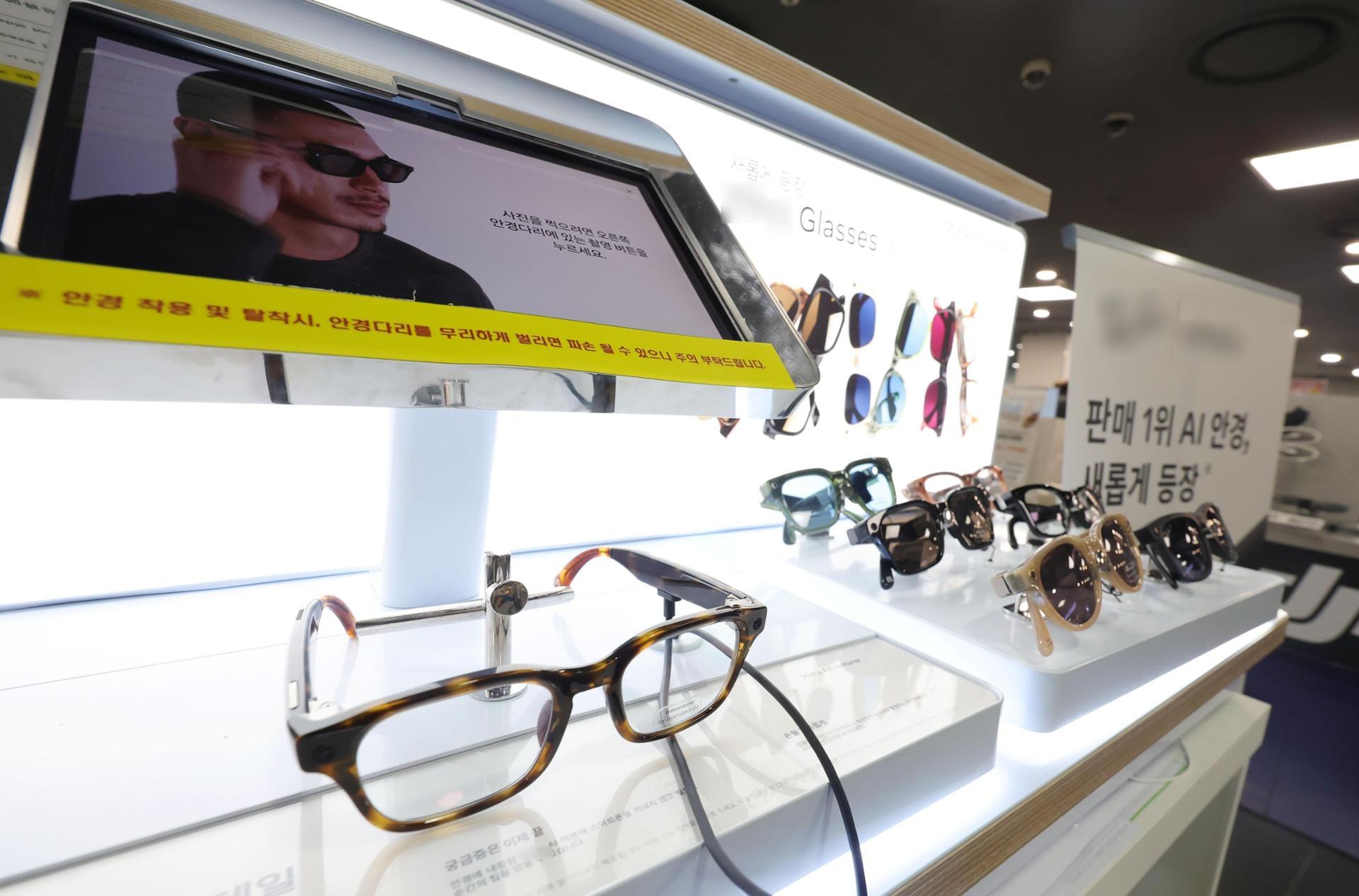
Data disclosed by the Human Resources Development Service of Korea during an October parliamentary audit showed that five cases involving AI smart glasses had been detected at state-run qualification exams this year. Four involved Rokid glasses made in China, and one involved glasses from Meta, the U.S. technology giant.
The Rokid model combines a camera that captures questions with a display that shows AI-generated answers, routed through a connected smartphone. The appeal to anyone considering cheating is obvious: the device looks like ordinary eyewear but functions like a wearable computer.
Easy to buy, easier to rent
The glasses retail for 999,000 won, or about $750, in South Korea. That price may be enough to deter casual buyers, but it is not the only way to obtain them. Online rental services advertise daily rates as low as 9,900 won, making the technology accessible for the length of an exam at a fraction of the retail cost.