
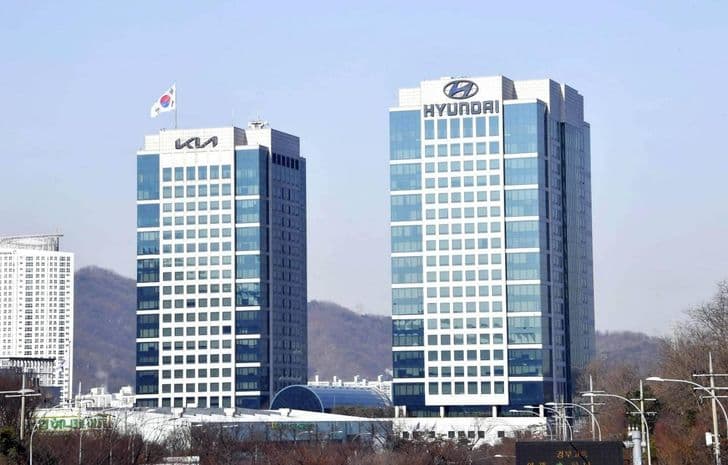
A single fire early in the year reached all the way into Hyundai Motor's quarterly results. The automaker reported operating profit of 2.85 trillion won, about 1.94 billion dollars, for the second quarter, down 20.8 percent from a year earlier, as a supplier blaze in March choked the flow of parts and forced the company to hold back production at a delicate moment.
Revenue told a steadier story, rising 1.9 percent to 49.2 trillion won. The gap between flat sales and a sharply lower profit points to a quarter where Hyundai kept money coming in the door but paid dearly for the disruption to its factories and for the mix of vehicles it was able to build and sell.
The fire and its fallout
The trouble traced back to a March fire at a key components supplier, which left assembly lines short of the parts they needed through much of the quarter. Genesis, the group's luxury brand and one of its most profitable, took the sharpest hit, since the constrained parts fed directly into models that carry the fattest margins.
Lee Seung-jo, an executive vice president at the company, said the supply disruption had dealt a particular blow to Genesis production, while noting that operations had since returned to normal. The reassurance matters for the second half, but it does not undo a quarter in which the company simply could not make everything it had planned.
Sales bend, hybrids climb
The strain showed up plainly in volumes. Domestic sales dropped 16.4 percent to 157,647 vehicles, and overseas sales slipped 4.9 percent. Against that decline, one category ran the other way. Hybrid sales reached 187,661 units in the quarter, a record for the company, as buyers continued to favor the middle path between combustion and full electric.