
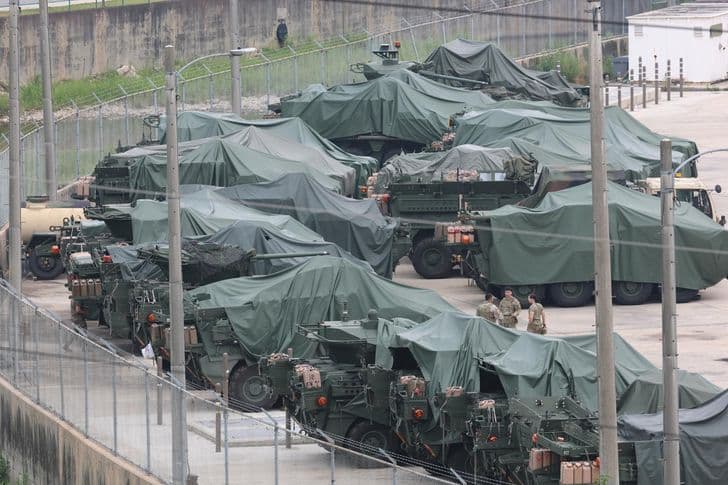
This year's Ulchi Freedom Shield exercise, the annual drill Seoul and Washington rely on to rehearse the command structure behind any future transfer of wartime operational control, wrapped up six days ahead of its original August 28 finish. The early end followed a push from President Trump, who called publicly for a smaller drill, and it has left military analysts questioning whether South Korea collected enough data this year to judge its readiness to lead its own forces in a fight.
The shortened exercise touched off a diplomatic scramble in Seoul. Foreign Minister Cho Hyun's ministry summoned US Ambassador Michelle Steel for an explanation, while Defense Minister Ahn Gyu-back's office worked to manage the fallout around a training calendar that had already been set months in advance.
A Verification Test Cut Short
The stakes go beyond a single training cycle. Wartime operational control, the authority to command combined South Korean and US forces once a conflict starts, has rested with a US-led command since the Korean War, and President Lee Jae-myung's government has set its sights on taking it back by around 2028. That handover depends on a three-phase verification process, and the phase that tests full operational capability leans on exercises exactly like Ulchi Freedom Shield to prove the Korean-led command structure works under pressure.
Kim Yeoul-soo of the Korea Research Institute for Military Affairs said the verification was supposed to take place this time, but if it cannot be properly carried out, it will inevitably have an impact, a warning that a shortened drill may not generate the evidence Seoul needs to defend its timeline.