
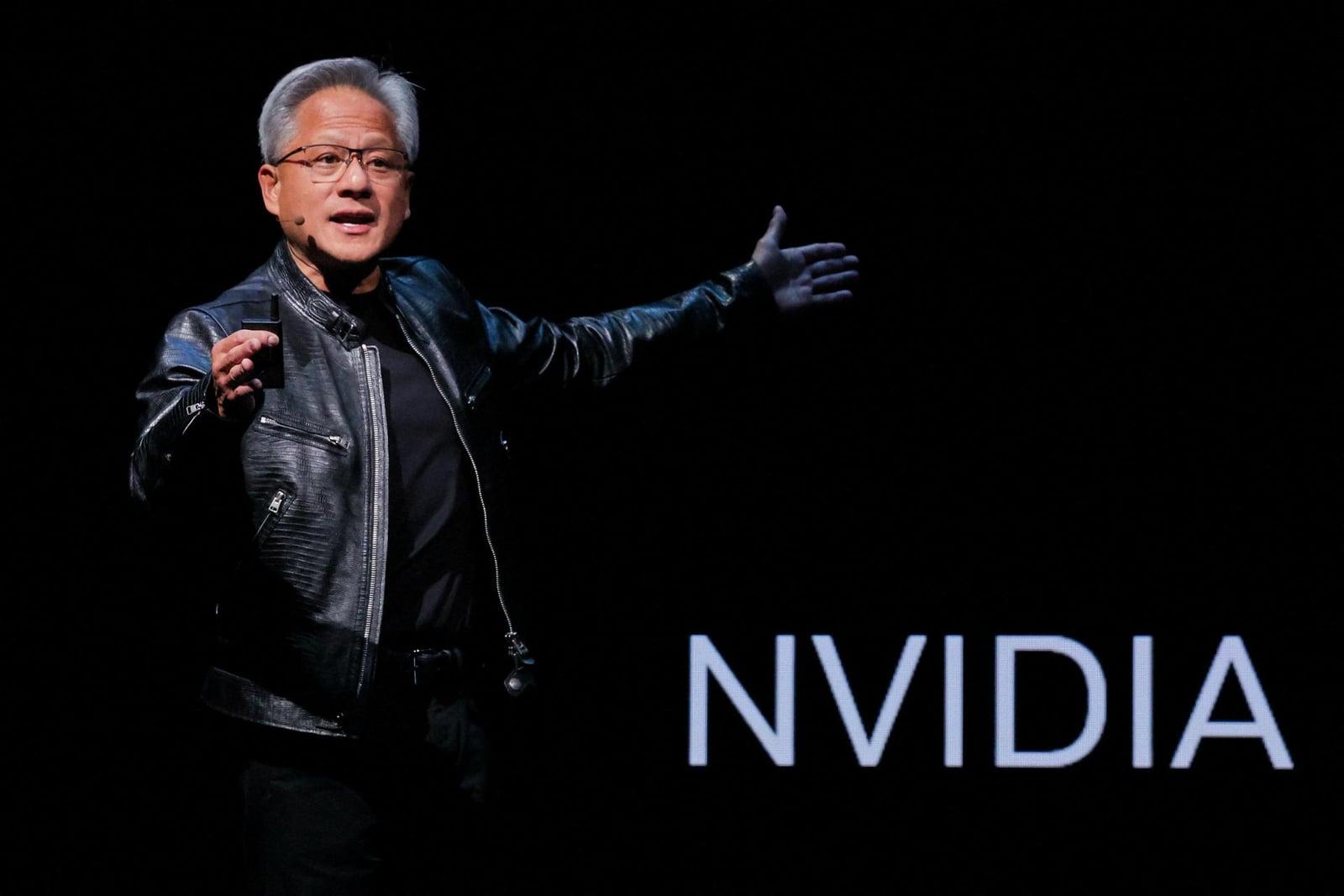
Jensen Huang, who stepped down as Nvidia's chief executive last week amid a personal and governance crisis, said on Tuesday that he would be honored to return to the role if the board believed it was in the best interest of shareholders and employees.
It was Huang's first public statement since his resignation on November 12, which followed reports of extramarital affairs, including a relationship with a woman suspected of having links to Chinese intelligence. "Since my departure, I've seen an outpouring of calls from NVIDIA's employees, investors, business partners, and customers for me to return as CEO," Huang said. He added that he regretted the problems he had created for the board and took full responsibility for his mistakes.
Nvidia shares, which had fallen sharply during the crisis, pared some losses after the statement. The scandal has erased more than $400 billion from the company's market value at its lowest point, raising questions about whether Nvidia's oversight had kept pace with its rapid growth and strategic importance to U.S. national security.
Board creates national security committee
On the same day, Nvidia announced a significant governance change. The board established a National Security and Export Control Oversight Committee, the company's first major structural response since Huang left. The panel will oversee Nvidia's national security and global trade compliance programs and work with independent legal, national security, and trade-compliance experts.
The committee will be chaired by director Suzanne Nora Johnson, a former vice chair at Goldman Sachs. Directors Stephen Neal, former chief executive of law firm Cooley, and John Dabiri, a professor at Caltech, will also serve. Nvidia's existing National Security Team and Global Trade Compliance Team will report to the committee, while interim CEO Colette Kress will manage day-to-day operations. The committee plans to meet at least quarterly.
U.S. President Donald Trump welcomed the move, calling the launch of a national security initiative a good idea. The committee's creation comes a day after the Trump administration said it would further restrict China's access to advanced AI chips from companies including Nvidia.