
South Korea

AI Spending Binge Puts Samsung and SK Hynix at Risk of Memory Price Collapse

U.S. chip analyst Jim Handy warns that Samsung Electronics and SK hynix could face a sharp memory price decline if hyperscalers slow AI spending, with margins potentially falling from above 80 percent to near zero within two quarters.

By Morning Week NewsroomPublished 2 min read
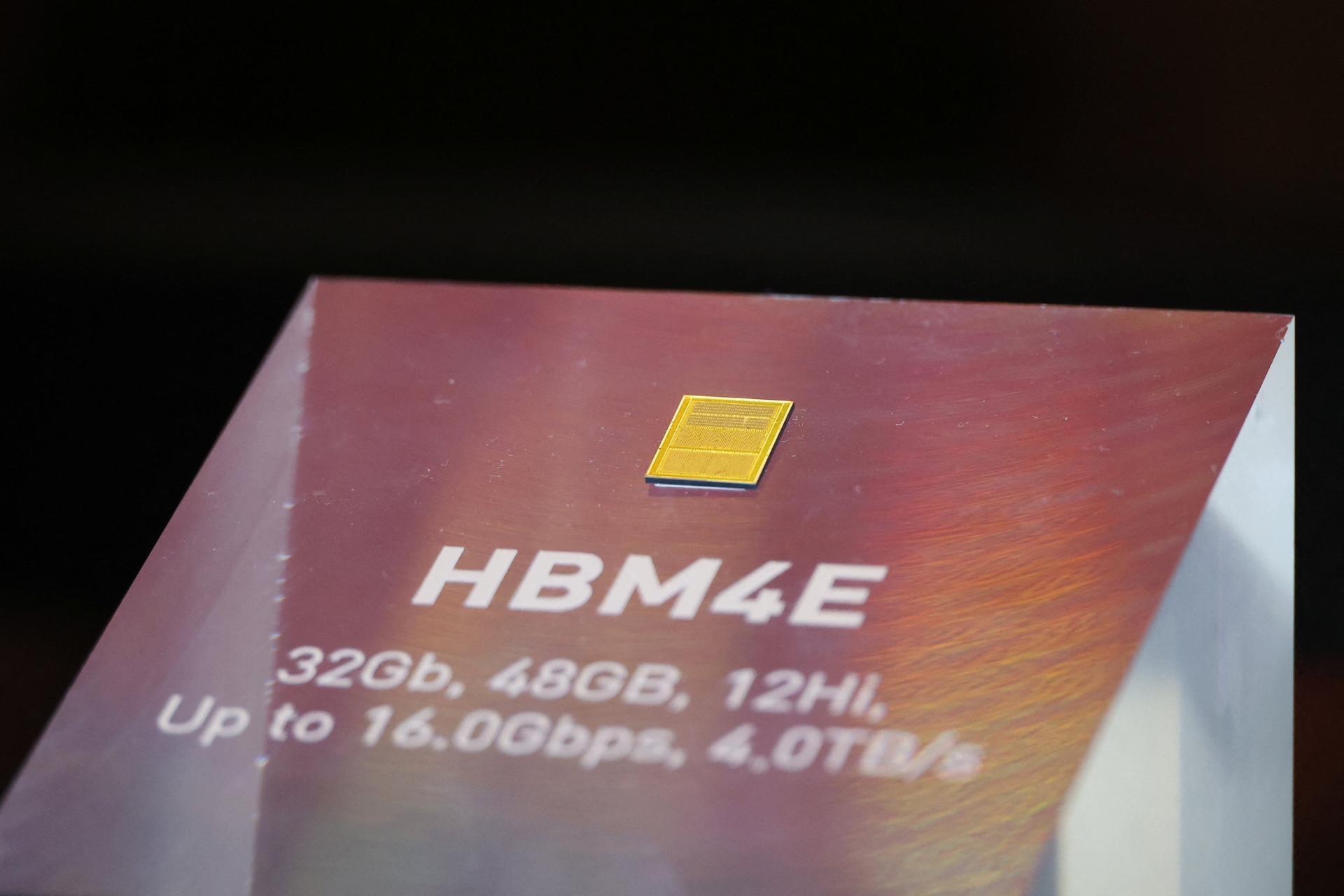
An SK hynix high-bandwidth memory chip on display at an exhibition in Seoul
An SK hynix high-bandwidth memory chip on display at an exhibition in Seoul · Source: Reuters-Yonhap

Samsung Electronics and SK hynix could be heading for a painful correction in memory prices if the world's largest technology companies pull back on artificial intelligence spending, according to Jim Handy, founder and general director at Objective Analysis. In an interview with The Korea Times, Handy said the current surge in memory prices is temporary and could eventually reverse toward 2024 levels once demand weakens.

"I do not think that AI demand is growing that quickly, so they are likely to slow their spending at some point, and that will cause memory prices to collapse," Handy said. His warning adds to growing concern among Korean analysts that the memory cycle is nearing a peak after a strong run.

Hyperscalers on a spending spree

The main source of risk, in Handy's view, is the extraordinary level of capital spending by hyperscalers such as Google, Meta, Amazon and OpenAI. He said these companies are now spending roughly 40 percent of their revenue on capital expenditures, much of it aimed at building AI computing infrastructure.

That scale of investment is sustainable only if AI demand keeps growing fast enough to justify it. If growth falls short, the big tech firms could quickly reduce spending, triggering a sharp drop in memory demand and an oversupply in the market.

Stocks already reflecting fear

Investors have already started to price in that risk. Shares of Samsung Electronics and SK hynix fell about 33 percent and 34 percent, respectively, over the three months through Friday. The sell-off reflects worries that the memory boom, which lifted both companies' earnings, may be losing momentum.

The recent gains were driven by strong orders for high-bandwidth memory and other advanced chips used in AI servers. Samsung Electronics even posted the world's highest quarterly operating profit in the third quarter, underlining how much the cycle has swung in chipmakers' favor.

Shortages are temporary

Handy argued that the current shortage is not driven by a permanent shift in demand. Production levels are still based on projections made roughly two years ago. Because actual demand has exceeded those projections, prices have risen sharply. But that gap will not last forever.

"Production levels are limited by demand projections made two years ago," he said. "Since demand has grown higher than these projections, we have a shortage, and that shortage has driven prices very high. That growth is temporary, and sometime in the future prices will fall back to where they were in 2024."

A severe margin risk

The downturn could be more than a pricing correction. Handy warned that if the current cycle follows the pattern of previous memory supercycles, chipmakers' gross margins could fall from above 80 percent to near zero within roughly two quarters.

For Samsung and SK hynix, the key question is no longer whether they can produce enough chips to meet AI demand. It is whether that demand will stay strong enough to absorb the huge amount of capacity and investment being built around it.

Tags

  • South Korea
  • Samsung Electronics
  • SK hynix
  • memory chips
  • AI
  • semiconductors
  • hyperscalers
  • Objective Analysis
Keep scrolling for more stories